/dev/world 2026
27-28 AUGUST • NAARM | MELBOURNE
From Mono to Spatial - and All the Ears in Between
Ten things you can do to bring sound to your apps Audio is often the lesser cousin of vision in app development. We spend enormous effort on layout, typography, animation and pixels, then add sound near the end with a call to play(). This talk presents ten practical ways developers can bring sound, speech and auditory interaction into apps on Apple platforms. Each idea begins with a small piece of Swift, then explores the larger design question hidden behind that code. We will look at how to (this may vary slightly): 1. Play a sound. 2. Speak text using synthesised speech. 3. Expose app capabilities through App Intents so they can be reached through spoken commands. 4. Accept system dictation in ordinary text interfaces. 5. Transcribe live or recorded speech. 6. Attach sound to an object in space. 7. Choose between mono, stereo, ambient, channel-based and spatial sound. 8. Give virtual environments their own acoustic character. 9. Pair sound with haptic feedback. 10. Describe auditory interfaces meaningfully for VoiceOver and other assistive technologies. The progression runs from a simple playback call through to speech, spatial computing, haptics and accessibility. Along the way, we will distinguish dictation, transcription and spoken commands; explore the role of App Intents as the semantic layer between an app and the system; and consider users listening through device speakers, headphones, one earbud, hearing aids, noisy classrooms, public spaces - or with sound turned off entirely. The aim is not to turn every developer into an audio engineer. It is to provide a useful set of starting points, implementation patterns and perceptual questions that can improve an app immediately. It may take one line of code to add sound. It takes design to make it communication.
About the presenter
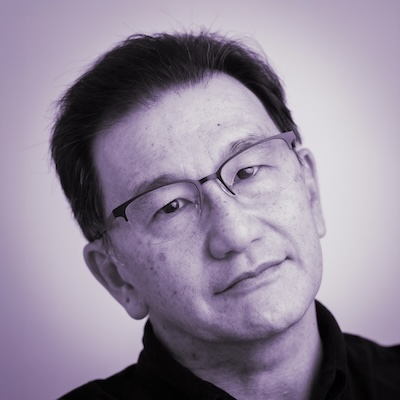
Daniel Woo, PhD is a UX designer, software and electrical engineer, photographer and musician. He was recognised as an Apple Distinguished Educator in 2011. Between 2000 and 2012 at UNSW, Daniel established the Human Computer Interaction (HCI) Laboratory, created and taught the COMP4511 Interaction Design course, led commercial usability consulting projects, principal investigator on two Australian Research Council (ARC) grants and taught Cocoa programming through the AUC. His background includes hearing research, geolocation systems and interaction design, experiences that continue to influence his work in accessibility, audio, spatial computing and Apple platform development. Daniel enjoys encouraging educators, students and developers to explore new technologies and build software that makes a difference.